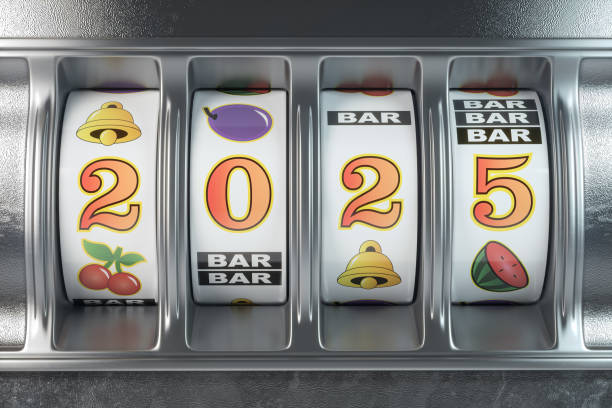
The Allure of Casinos: Understanding the Draw
Certainly, the bright lights and sounds of casinos create an immersive experience that captivates players. This sensory overload triggers dopamine release, a neurotransmitter associated with pleasure and reward. The thrill of uncertainty and the possibility of winning big offers a significant psychological draw, making players return for more. In this context, some might explore opportunities at no kyc casinos to enhance their experience.

This attraction is intensified by the notion of luck and chance. Many players believe that they can improve their odds through specific strategies or even intuition. This mindset enhances player engagement, compelling individuals to participate in games that they may not fully understand, driven by the hope of a prosperous outcome.
The Role of Cognitive Biases in Gambling
Cognitive biases play a crucial role in shaping player behavior at casinos. One common bias is the gambler’s fallacy, where individuals believe that past outcomes can influence future results. For instance, if a player encounters several losses, they may perceive that a win is “due,” leading them to continue betting despite unfavorable odds. Unknown factors can exacerbate this behavior, creating a cycle of loss and persistence.
This misunderstanding of probability can lead to a cycle of increased bets and losses, creating a compelling narrative that keeps players engaged. Additionally, the illusion of control—a belief that one can influence outcomes through skill or strategy—further entices players to stake their money, as they feel empowered, even in a game of chance.